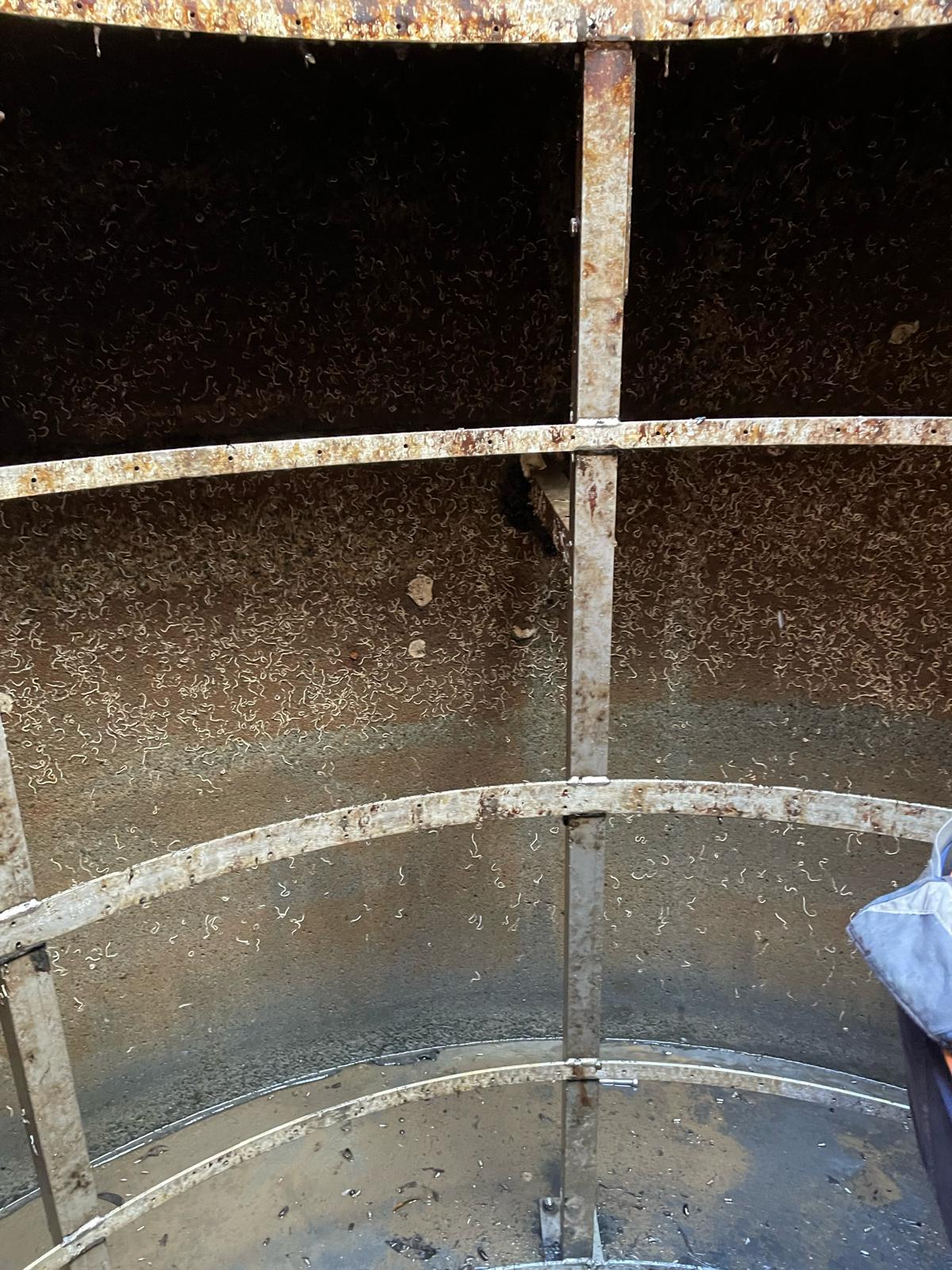
GPT internal condition assessment
02 · Audit & Condition Assessment

We don't guess a GPT's condition. We rate it, cost it, and prioritise it.

A worked example: the City of Canterbury Bankstown engaged Renew to audit and condition-assess its entire Gross Pollutant Trap portfolio — establishing a defensible baseline for maintenance and capital planning. This is the same rigour we'd bring to Greater Geelong.

97
GPT assets audited & condition-assessed (of 99 allocated)
2.2
average condition rating — portfolio structurally serviceable
55/45
proprietary vs non-proprietary device split
5 mo
audit period, June–October 2025
CLIENT · CITY OF CANTERBURY BANKSTOWNREF · RSN24250ASSET IDS · WQD00001–WQD03012
Executive summary — key finding

"Most defects related to maintenance execution, access limitations and serviceability — not structural failure. Elevated condition ratings were often driven by incomplete or inconsistent cleaning."

In plain terms: the assets were mostly sound, but the maintenance standard was letting them down. Better methodologies, access and reporting — not wholesale capital replacement — were shown to reduce risk and extend asset life. That's precisely the gap a RenewQEST program closes.

Audit methodology

Four stages, every asset, same standard.

01

Desktop assessment

Existing data, spatial information and historical records reviewed before site works.

02

Field audit

Make, model and type verified on site and standardised against manufacturer data.

03

Condition assessment

Structural integrity, serviceability, access and performance rated per Council's RFQ criteria.

04

Quantity & quality modelling

Rational Method peak-flow (ARR 2019) and MUSIC pollutant-load modelling per catchment.

Portfolio composition

A mixed fleet — verified and standardised.

97 assets reviewed against historical council data and manufacturer information to standardise make, model and type across the register.

51
Proprietary units (55%)
42
Non-proprietary units (45%)
Distribution by model type
Trash racks / sediment basins28
CDS units13
Ecosol9
Humegard9
Debris booms9
Cleansall8
Humeceptor7
Bandalong4
Risk-based prioritisation

Every defect ranked on a likelihood-vs-consequence matrix.

Consistent with Council's RFQ framework, so resources are directed to the highest-risk assets first — cost-effective maintenance and capital planning, evidenced.

Priority 1

Highest priority

High risk of failure — immediate intervention.

Priority 2

High priority

Moderate risk — affects asset functionality.

Priority 3

Medium priority

Life-cycle maintenance / renewal work.

Priority 4

Low priority

Low risk — monitor at scheduled intervals.

The deliverable

One standardised Asset Data Sheet — for every asset.

Audited data, condition outcomes, catchment modelling, inspection & cleaning instructions and photographs, in one consistent format. Below is the standardised layout Council receives per GPT.

RenewASSET DATA SHEET
SAMPLE · STANDARDISED FORMAT
ASSET ID · WQD00001
CDS Unit — Model CDS3018
Proprietary Gross Pollutant Trap · Continuous Deflection Separation
Condition rating
2 — Good
Primary asset data
ManufacturerCDS / Optimal
TypeProprietary GPT
Treatable flowScreened, hydrodynamic
AccessConfined-space entry
Sump capacity550 mm sediment obs.
Catchment modelling
MethodRational (ARR 2019)
Quality modelMUSIC
CatchmentDelineated & mapped
Condition & recommendations
Structure serviceable, no failure observed
Sediment build-up — schedule clean
Access cover surround — minor repair (P3)
Site photographs
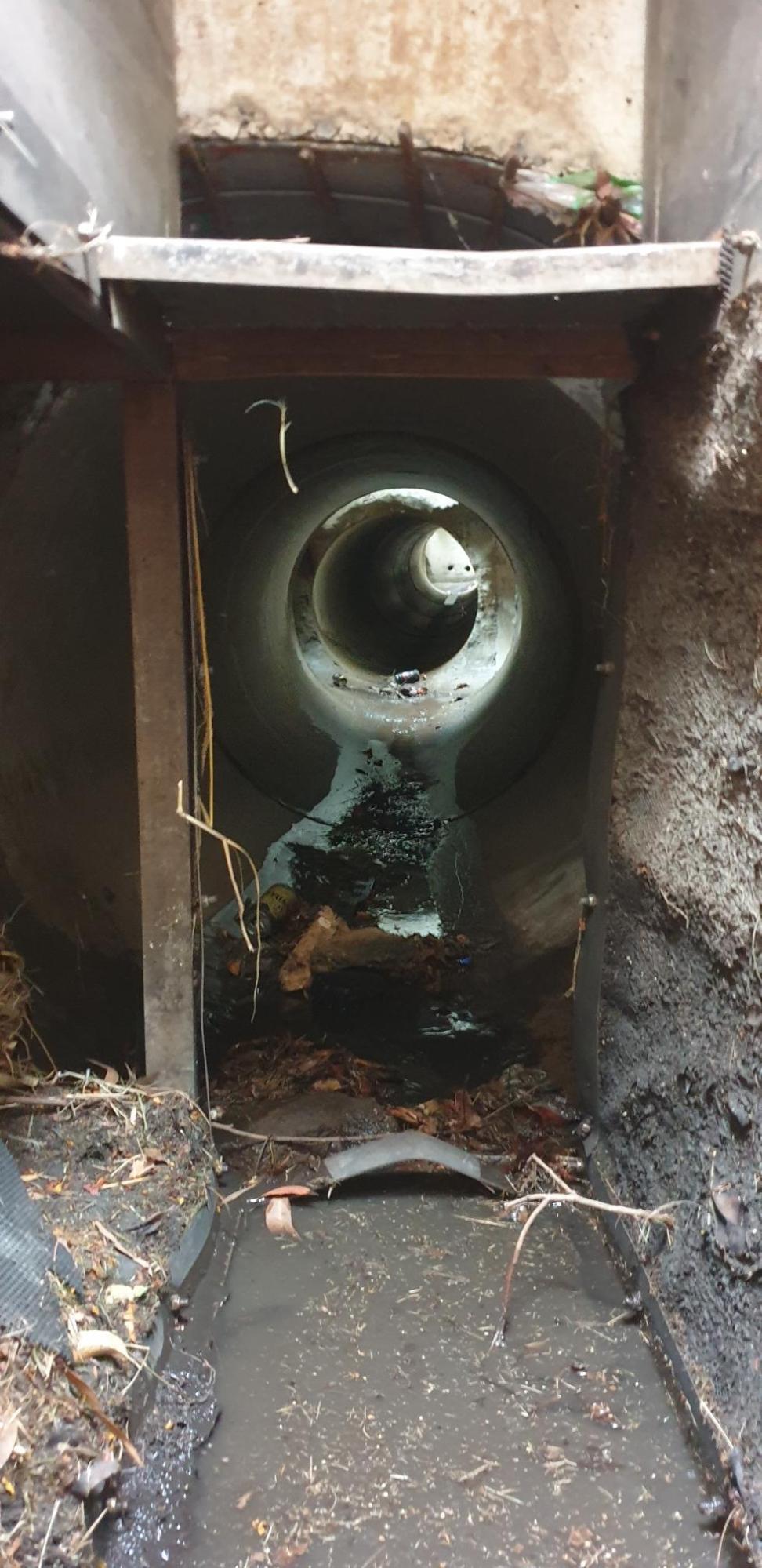
GPT screen chamber GPT outlet
Inspection & cleaning instructions attached per asset. Data GIS-exportable via Assetlogue.
Open the full Bankstown data-sheet report (PDF) Representative layout shown; illustrative values.
What this means for Greater Geelong

A single audit gives Council a defensible baseline — verified asset register, condition ratings, prioritised defects and cost estimates — before a dollar is spent on maintenance. That is the transparency the current standard isn't delivering.

See how we execute the works →